
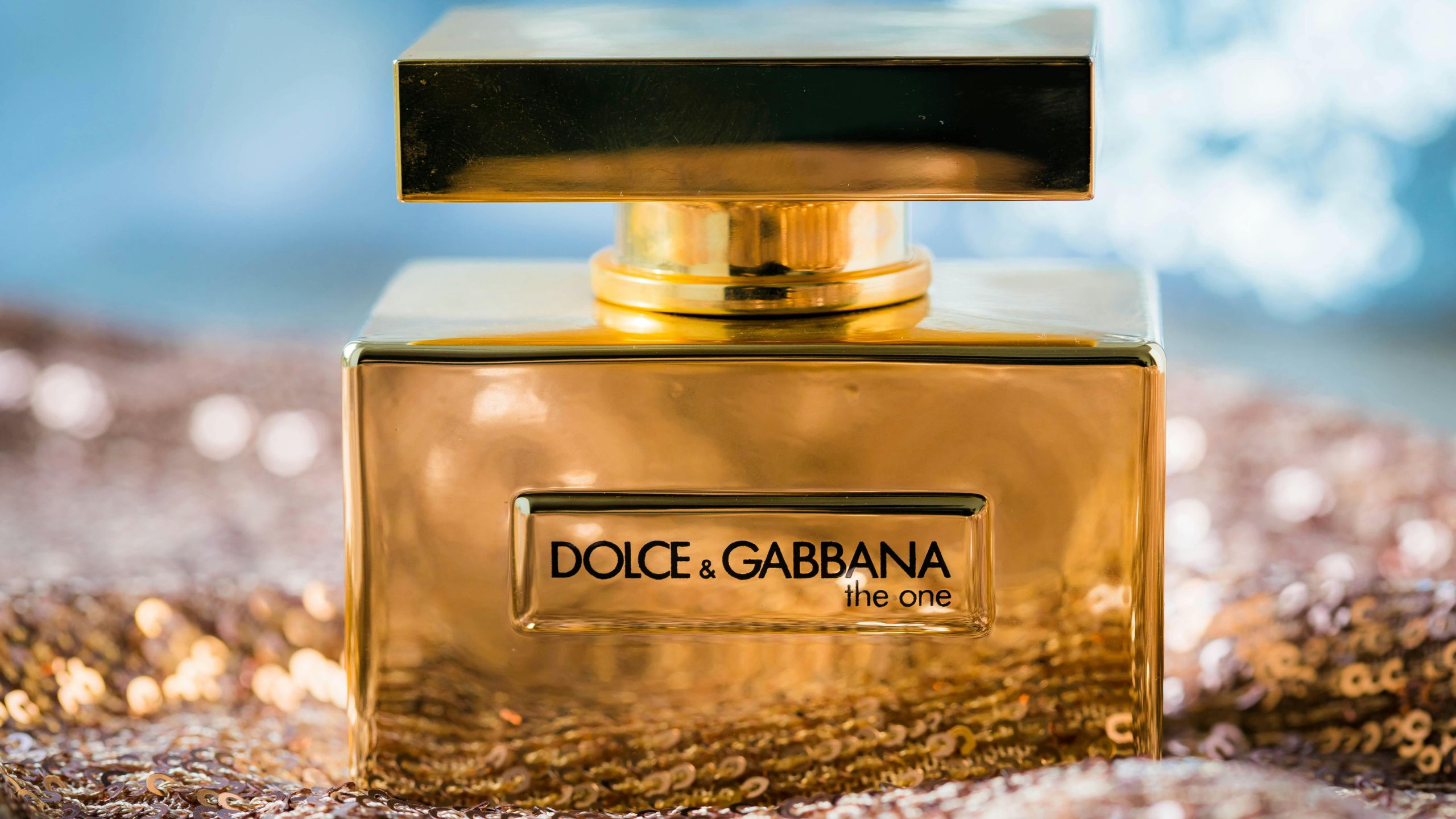
What is Perfume? A Beginner’s Guide to How Fragrance Works

There’s something almost magical about perfume. One drop can take you back in time, remind you of someone you love, or make you feel entirely new. Yet behind that invisible trail lies a rich world of artistry, chemistry, and storytelling — all designed to express who you are through scent.
If you’ve ever wondered what makes perfumes smell so different, or why some last all day while others fade fast, this guide is for you. We’ll explore what perfume truly is, how fragrances are built, and the major scent families perfumers use to classify their creations. By the end, you’ll understand the language of fragrance — and maybe even discover where your personal scent identity begins.
What Exactly is Perfume?
At its simplest, perfume is a carefully balanced blend of aromatic ingredients — essential oils, aroma molecules, alcohol, and fixatives — that together create a scent that lingers on skin. But there’s more to it than that: perfume is chemistry with emotion. Each ingredient is chosen not just for how it smells, but for how it interacts, unfolds, and tells a story over time.
The Origins of Perfume
Perfume’s history goes back thousands of years. Ancient Egyptians burned scented oils in temples; the Romans used perfumed baths; and during the Renaissance, fragrance became a marker of luxury and status. The word perfume comes from Latin and literally means “through smoke.”
It originates from the Latin phrase per fumum:
- per = through
- fumum = smoke
In ancient times, fragrant materials like woods and herbs were burned, and their scent traveled through the smoke during rituals and ceremonies. This practice is the root of what we now call perfume. Today, perfumery blends ancient tradition with modern science — but its purpose remains the same: to evoke feeling and presence through scent.
Perfume Concentrations
Most perfume concentration names come from French, the traditional language of perfumery. “Eau” means water, and these terms describe how much aromatic oil is diluted in alcohol and water.
The strength of a perfume depends on how much aromatic oil it contains. Here’s a quick breakdown:
- Parfum / Extrait de Parfum (20–40%) – The richest and longest-lasting concentration. A few drops can last all day or more. The percentage refers to the concentration of aromatic oils in the formula.
- Eau de Parfum (EDP) (15–20%) – Still long-lasting and intense, often the most popular balance of richness and wearability.
- Eau de Toilette (EDT) (5–15%) – Lighter and more casual, ideal for daytime wear.
- Eau de Cologne (EDC) (2–5%) – Very fresh, short-lived, perfect for quick refreshes.
- Body Mist / Splash (<2%) – The lightest touch, often used after showers or workouts.
Different concentrations can exist for the same scent — for instance, Chanel No. 5 comes in both Eau de Toilette and Parfum, each with a slightly different character.
Knowing these differences helps in selecting exactly what fits your lifestyle and personal vibe. From date night intensity to office-appropriate subtleties, understanding concentration means your perfume perfectly matches your mood or the occasion.
The Structure of a Perfume: Top, Heart, and Base Notes

Every perfume unfolds in stages. When you first spray it, what you smell isn’t the whole story — it’s just the beginning of a scent journey. Perfumes are intricate compositions, much like a symphony, where each note plays a crucial role in the harmony of the final scent. At the heart of this composition are three key players: the top, heart, and base notes, each contributing to the perfume’s evolving personality.
Top Notes
Top notes are the first impression—the initial sparkle that greets you the moment a fragrance touches your skin. These light and zesty notes, often citrusy or herbal, capture your attention but fade relatively quickly, paving the way for the heart notes.
Common top notes: bergamot, lemon, mandarin, grapefruit, mint, lavender.
Heart (Middle) Notes
The heart notes, also known as middle notes, form the core of a fragrance. As the top notes fade, the heart emerges and reveals the perfume’s character. This stage often features floral or spicy tones and plays a central role in the scent’s development for several hours.
Common heart notes: rose, jasmine, ylang-ylang, cinnamon, black pepper, violet.
Base Notes
Finally, the base notes appear — the deep, warm foundation that anchors everything. They develop as the perfume settles into the skin and can linger for hours or even days.
Common base notes: sandalwood, patchouli, amber, vanilla, musk, vetiver.
A good perfume balances all three layers so that it tells a cohesive story from start to finish — a beginning, a heart, and a lasting memory.
Where This Journey Continues

Now that you understand how perfume is made, how it evolves, and why concentrations matter, the next step is learning how fragrances are classified. Explore how perfumers group scents into families based on their overall character — a system that helps you identify patterns, preferences, and styles that feel most like you. Follow the link below to continue. That’s where the language of fragrance truly begins.
From ALìLì to you — until our paths cross again!